
Running one store takes focus, but running ten brings a different pressure layer across daily operations.
Each location earns and spends at its own pace, while payments follow fixed dates that never adjust to local cycles. A strong weekend at one outlet builds surplus, while another hits payroll week with tight cash and no buffer available.
This gap grows as more locations get added, and leaders begin to lose clear sight of timing across the network.
Cash issues do not follow a clear timeline
Restaurants, retail chains, clinics, and franchise setups all face this pattern – even when sales look strong across units and demand is consistent. Low timing visibility across locations that operate with different inflow and outflow cycles is often turns out to be the issue often.
Because scale creates timing gaps that manual tracking cannot manage at speed, what worked at two stores fails at twenty, and problems appear without warning in daily operations.
And the impending result shows up on the floor fast, in different ways:
- In a restaurant chain, late vendor payments can delay key supplies just when demand rises across busy hours and peak service periods.
- Managers adjust menus or turn customers away, even when demand exists and customers are ready to spend money.
- A retail store facing tight cash skips fast-moving stock, which leads to missed sales and frustrated buyers who may not return soon.
- Clinics may delay basic purchases, which affects service quality in ways that are hard to recover later.
The above issues often start as timing gaps. But overtime, move into lost revenue, higher costs, and uneven service across locations.
- A single weak unit pulls attention and funds from stronger ones, which spreads the strain across the system quickly.
- At the same time, extra cash in better locations often sits unused because there is no clear way to move it fast when needed across units.
- Businesses borrow while their own funds remain idle elsewhere, which reduces overall returns and efficiency.
In effect, leaders begin to slow down their decisions.
- Marketing gets paused in newer stores due to cash uncertainty
- Strong locations miss timely reinvestment that could push growth
- Expansion plans get delayed without clear financial confidence
Over time, effort stays high but profit does not follow.
Dynamic Cash Forecasting: The End of Cash Flow Issues in Multi-Location Businesses
Dynamic cash forecasting replaces static plans with a live, transaction-driven view across locations and units.
Every sale, expense, and payment feeds directly into the system, giving leaders a forward picture of where cash will sit and when it will be required. Leaders act before pressure grows as upcoming gaps and demands are visible early enough to respond with intent.
As this way of operating takes root, business owners acquire critical cash flow forecasting capabilities that prevent cash flow issues:
- Clear visibility into inflows and outflows across every location
- Early signals that point to upcoming shortfalls before they hit
- Movement of funds between locations, ensuring strong units receive capital at the right time
- Planned pay-outs for payroll, vendors, and essential operating costs
You can see this play out on the ground, quickly:
- A restaurant aligns vendor pay-outs with expected weekend sales – kitchens stocked when demand spikes.
- A retail chain plans inventory based on incoming cash – fast-moving items stay available during peak cycles.
- A clinic schedules hiring and purchases with clarity – service levels stay consistent across locations.
When cash reaches the right place at the right time, businesses avoid unnecessary borrowing, protect revenue during peak demand, and invest in strong locations without delay. Margins improve, and growth adds profit instead of strain.
Modern cash flow management tools support this by connecting day-to-day operations with a forward view of cash. AI cash flow prediction strengthens this layer by reading patterns in how money moves, which improves forecast accuracy as more data enters the system. Over time, decisions begin to follow a clearer path, because they are based on current activity and near-term expectations.
AI accounting platforms like Docyt do more than support this approach, they execute it through daily accounting combined with built-in forecasting across all locations in one system.
Docyt: AI Accounting System for Multi-location Business
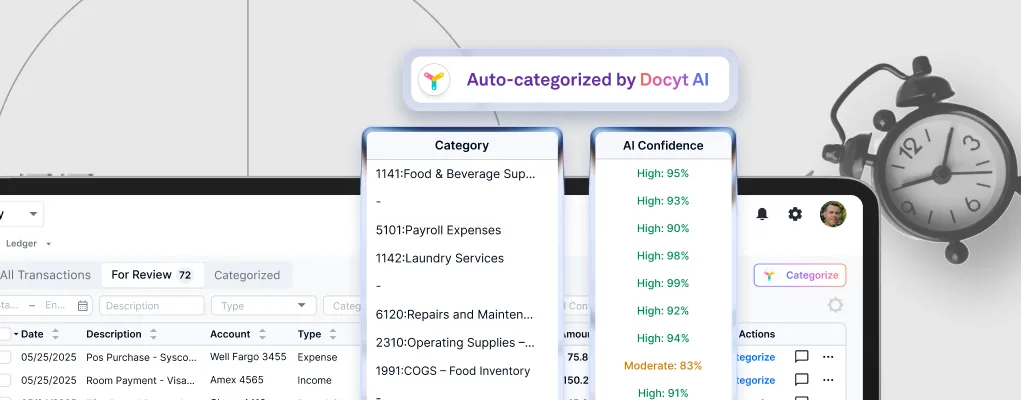
With Docyt, data flows from transactions into reports and projections without manual effort or delays.
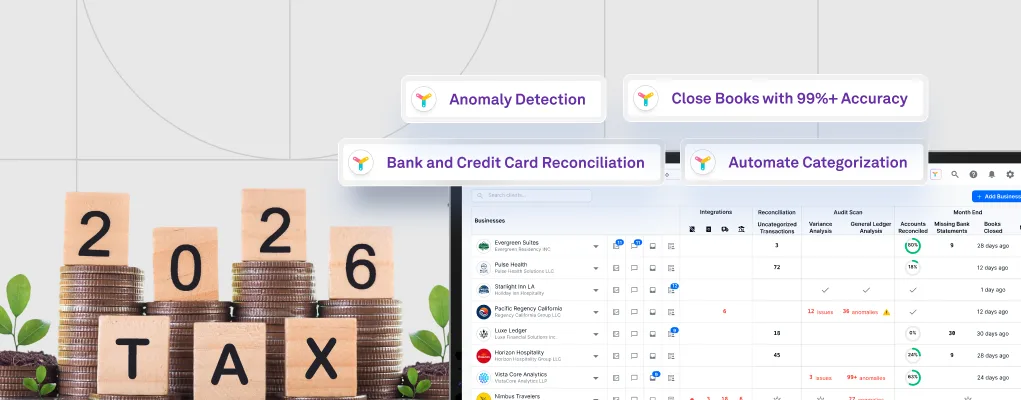
Leaders see both the full picture and each location’s position at the same time, which supports faster and more accurate decisions across the business. This removes delays caused by fragmented systems and manual consolidation work across tools.
As more locations get added, the structure stays stable and does not need rework or redesign at each stage of growth.
Teams do not spend time merging data or fixing reports across tools and files. Instead, they focus on improving performance across locations while maintaining control over cash and profitability.
If you want to see how this works in real setups, a short walkthrough can show how these systems handle multi-location operations without adding extra effort or complexity.